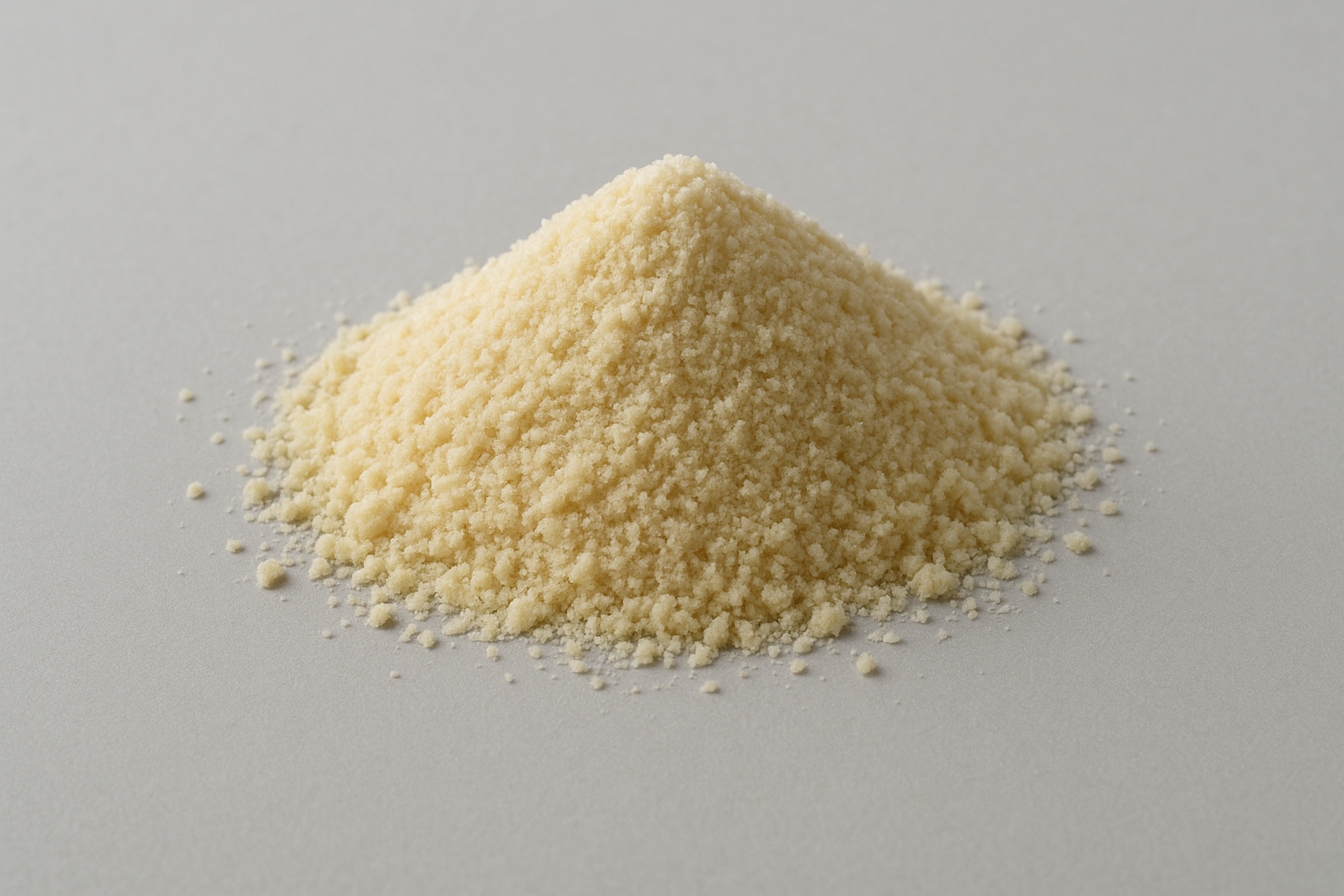
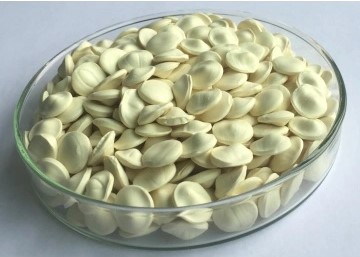
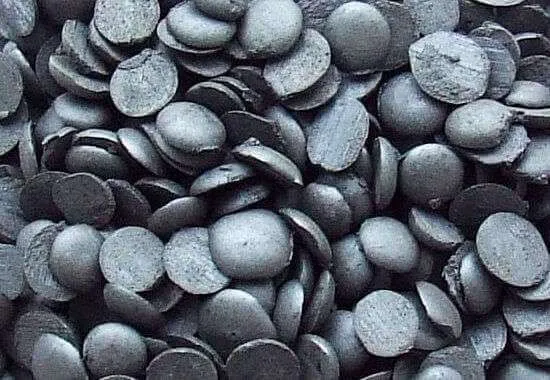
Accelerators are key vulcanization chemicals that speed up the cross-linking reaction between rubber and sulfur, significantly reducing curing time and improving production efficiency. They enhance the overall curing system, helping rubber compounds achieve better elasticity, tensile strength, resilience, and heat resistance.
By controlling cure rate, scorch safety, and final cross-link density, accelerators play a crucial role in optimizing both processing and end-product performance. Common accelerator types include MBT, MBTS, CBS, TBBS, and TMTD, each selected based on their curing speed, activation level, and suitability for specific rubber applications.
Pre-vulcanizers, also known as scorch retarders, are used to prevent premature vulcanization (scorching) during mixing and processing. They provide better control over curing, extend scorch safety, and allow safer, more efficient processing at elevated temperatures before final molding. These additives help maintain compound stability, improve flow, reduce processing defects, and ensure uniform vulcanization in the final stage.
Common types include CTP (PVI) and other similar scorch-retarding chemicals used across a wide range of rubber formulations.
Anti-degradants protect rubber compounds from deterioration caused by ozone, oxygen, heat, flexing, and environmental stress. These chemicals are essential for preventing cracking, surface hardening, loss of elasticity, and premature ageing in both natural and synthetic rubbers.
By slowing down the ageing process, they significantly extend the service life and performance stability of rubber products used in tyres, belts, hoses, rollers, and various moulded goods.
Anti-oxidants are added to rubber compounds to prevent thermal and oxidative degradation during processing and throughout the product’s service life. These chemicals protect polymer chains from breaking down when exposed to heat, oxygen, and mechanical stress, helping rubber maintain its strength, flexibility, and stability. They also minimize surface deterioration, reduce hardening or softening caused by long-term exposure, and improve the overall heat-ageing resistance of the compound. By slowing down the natural ageing process, anti-oxidants enhance durability, extend product life, and ensure consistent performance in tyres, belts, hoses, cables, and various moulded or extruded rubber goods.