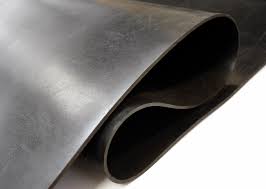
Styrene Butadiene Rubber (SBR) is one of the most widely used synthetic rubbers in the world, valued for its excellent abrasion resistance, good aging stability and reliable mechanical strength. Its balanced performance, ease of processing and cost-effectiveness make it suitable for a broad range of applications. SBR is extensively used in tyre manufacturing, including passenger car tyres, light truck tyres and retreading compounds, due to its durability and low rolling resistance.
Beyond tyres, it is also widely utilised in conveyor belts, footwear soles, hoses, gaskets, flooring materials, moulded rubber goods and various industrial rubber components. With its consistent quality and versatility, SBR remains a preferred choice for manufacturers across automotive, industrial, consumer and general rubber product segments.
Poly Butadiene Rubber (PBR)
Polybutadiene Rubber (PBR), commonly known as Butadiene Rubber, is a high-performance synthetic elastomer valued for its exceptional elasticity, resilience, and resistance to dynamic stress. Recognized for its high cis content and durability, PBR delivers superior performance in demanding applications where long service life and consistent mechanical properties are essential. Its production is aligned with global IISRP standards, reflecting international-grade quality. Owing to its outstanding abrasion resistance, flexibility, and low heat build-up, PBR is extensively used in tyre manufacturing, including tyre treads, carcass, sidewalls, under-treads, and cycle tyres, ensuring improved longevity and road performance.
Beyond tyres, it is widely utilized in conveyor belts, sports goods such as golf balls, footwear components including heels and soles, automotive parts, mechanical goods, and flexible rollers, making it a versatile material across multiple industries that demand strength, resilience and high-quality elastomeric performance.
Butyl Rubber
Butyl Rubber is a synthetic copolymer of isobutylene and isoprene known for its exceptional air impermeability, flexibility, and resistance to heat, weathering, and chemicals. Its unique molecular structure, with very low levels of unsaturation, provides superior airtight properties and excellent flex fatigue resistance, making it ideal for demanding applications. Butyl Rubber is widely used in tyre inner liners, automotive tubes, pharmaceutical closures, ball bladders, adhesives, sealants, vibration isolation products, and various industrial components that require long-lasting airtightness and durability.
Chlorobutyl Rubber
Chlorobutyl Rubber is a halogenated grade of butyl rubber offering better curing, higher heat resistance, and improved adhesion. It is widely used in tyre inner liners, pharmaceutical stoppers, automotive hoses, and industrial products requiring durable air retention and chemical resistance.
Bromobutyl Rubber
Bromobutyl Rubber provides excellent air impermeability, fast curing, strong ozone resistance, and long-lasting durability. It is commonly used in high-performance tyre inner liners, tubeless tyre components, medical closures, and protective rubber applications.
EPDM
EPDM (Ethylene Propylene Diene Monomer) is a high-performance synthetic rubber engineered to deliver exceptional durability in demanding environments. Known for its outstanding resistance to heat, ozone, UV radiation, and harsh weather, EPDM maintains flexibility across a wide temperature range and offers excellent long-term aging stability. Its saturated polymer backbone provides superior oxidation resistance, while its low density and good processing characteristics make it suitable for a wide variety of compounding needs.
Widely used across automotive, construction, and industrial sectors, EPDM is the material of choice for weather seals, roofing membranes, radiator and heater hoses, gaskets, vibration-damping components, electrical insulation, pond liners, and other outdoor or high-temperature applications. Its ability to retain elasticity, resist moisture and steam, and perform reliably under
Silicone Rubber
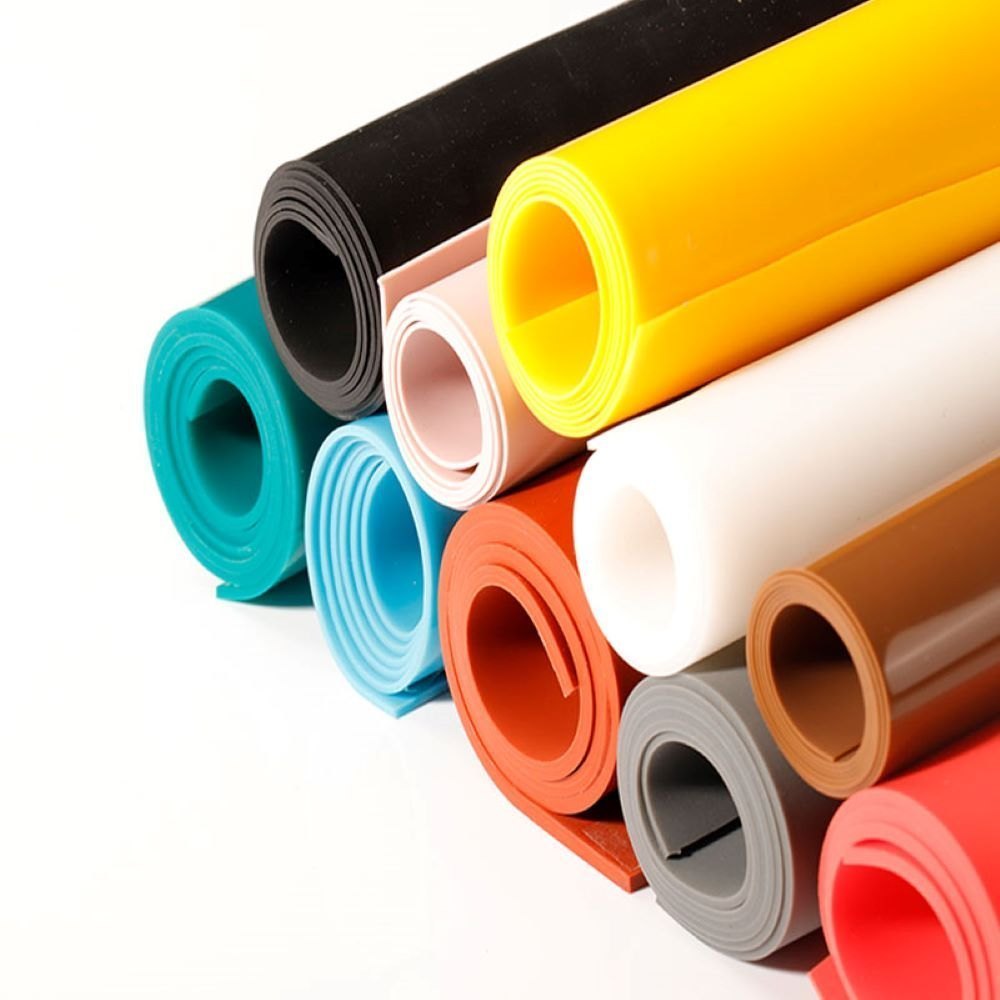
Silicone Rubber is a high-performance synthetic elastomer made from long silicone polymer chains reinforced and cross-linked to deliver exceptional elasticity, thermal stability, and durability over a wide temperature range. It retains its mechanical properties even in extreme hot and cold environments, resists UV, ozone, moisture, and many chemicals, and offers excellent flexibility, tear strength, and dielectric insulation, making it ideal for demanding industrial and environmental applications. Silicone Rubber comes in various forms such as heat-cured, liquid, and room-temperature-vulcanized grades, each tailored for specific processing and performance needs.
Its versatility and reliability make it suitable for automotive components, electrical insulation and high-voltage applications, sealing and bonding solutions, medical devices, consumer goods, and many other sectors where long-lasting performance and environmental resistance are essential.
Liquid Silicone Rubber (LSR)
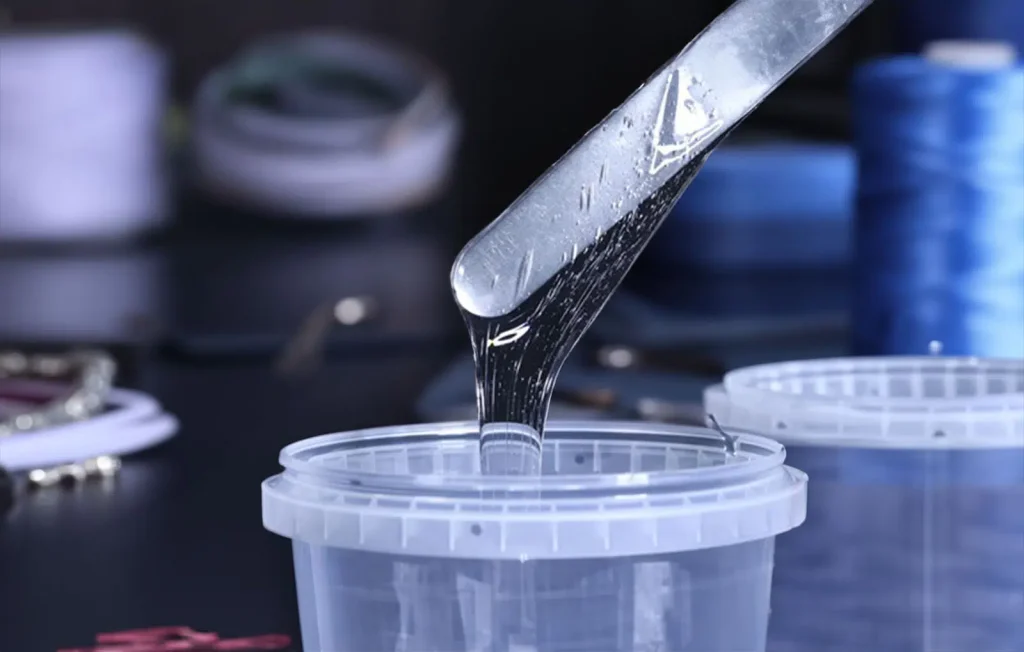
Liquid Silicone Rubber (LSR) is a high-performance two-component platinum-cured silicone elastomer that can be pumped as a liquid and injection-molded into complex shapes with precision and efficiency. It offers outstanding durability, broad temperature resistance from approximately -60 °C to +250 °C, excellent chemical resistance, electrical insulation, and biocompatibility, making it ideal for demanding applications across automotive, healthcare, electronics, and consumer sectors. LSR’s low viscosity and compatibility with liquid injection molding enable high-speed production of intricate parts with consistent quality, excellent physical properties, and minimal waste.
Its ability to be pigmented or remain transparent, combined with long-term stability and resistance to environmental stressors, makes Liquid Silicone Rubber the material of choice for components such as automotive seals and connectors, medical devices and implants, electrical insulators, and various precision molded products.
Blend Polymers
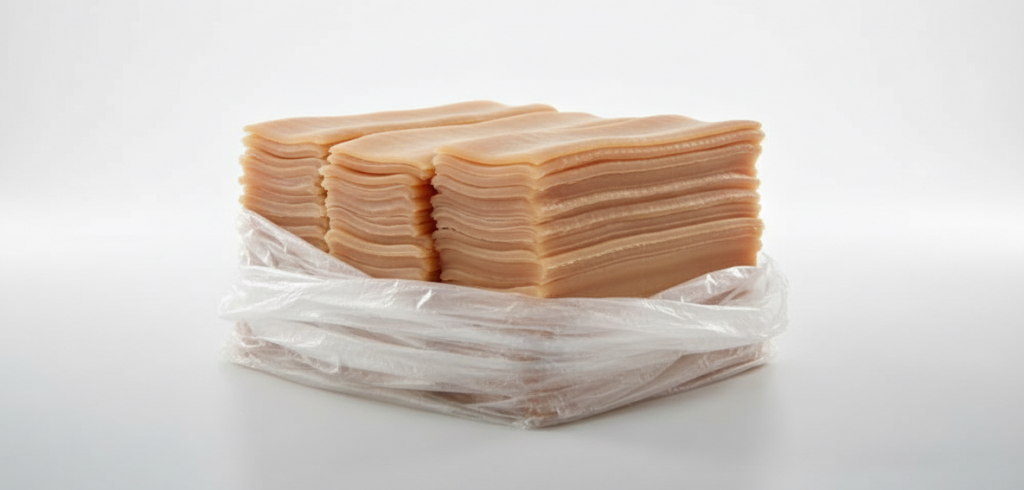
NBR-PVC blend polymer is a versatile elastomeric material that combines the oil, fuel, and abrasion resistance of Nitrile Rubber (NBR) with the excellent weathering, ozone, and flame-retardant properties of PVC. This unique synergy results in a durable, flexible polymer capable of performing reliably in harsh environments where both mechanical strength and environmental resistance are essential. NBR-PVC blends offer excellent resistance to oils, fuels, chemicals, and heat, while also delivering good aging stability, tensile strength, and long-term flexibility.
Widely used in automotive, industrial, and consumer applications, NBR-PVC blend polymers are ideal for manufacturing fuel hoses, automotive seals, cable insulation, conveyor belts, gaskets, molded parts, footwear soles, and various extrusion products. Their balanced properties, ease of processing, and cost-effectiveness make NBR-PVC blends a preferred material for industries requiring dependable performance under demanding conditions.